How to Spot and Avoid Bank Scams

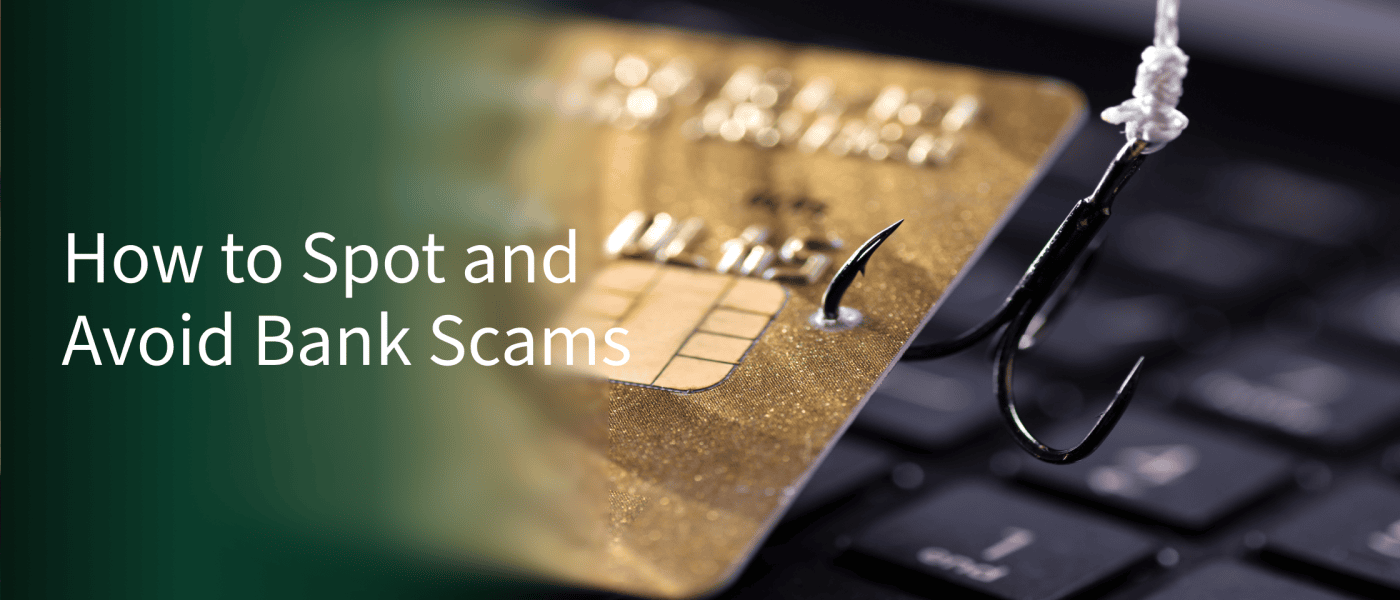
Financial scams are the most costly category of consumer fraud in the United States. The FTC reported that consumers lost $10 billion to fraud in 2023—the highest figure on record. Bank impersonation, payment app fraud, and fake check scams account for a significant share of those losses. The victims aren’t primarily elderly or technically unsophisticated—fraud targets people across all ages and income levels.
Scams work because they’re designed to look legitimate and to create pressure that overrides normal judgment. Understanding the specific mechanics of the most common scams is more useful than general warnings to “be careful”—the patterns are recognizable once you know what to look for.
Fake Bank Fraud Calls
This scam has a high success rate for a reason. A caller identifies themselves as a fraud investigator from the victim’s actual bank—often knowing the bank’s name and sometimes the last four digits of a card number. The story: suspicious activity has been detected on the account, and the victim needs to take immediate action to protect their money.
The action requested varies, but a common version involves moving money to a “secure account” or “holding account” while the fraud investigation proceeds. The CFPB explicitly states that legitimate banks will never ask customers to move money to protect it from fraud. The secure account is the scammer’s account.
Caller ID spoofing allows scammers to make calls appear to originate from a bank’s actual phone number. Seeing the bank’s name on the screen doesn’t confirm the caller is the bank. The FCC has documented widespread caller ID spoofing as a key enabler of phone-based fraud. If any call creates pressure to act immediately with money, hang up and call the number on the back of the debit card directly.
Zelle and Payment App Fraud
Zelle fraud has grown significantly as the platform’s adoption has expanded. The Consumer Financial Protection Bureau found that Zelle processed $166 million in fraudulent transactions in 2022 alone—a figure the major banks have disputed as incomplete but acknowledged as substantial.
The most common Zelle scam runs like this: a stranger contacts the victim claiming they accidentally sent money to the wrong account and asks for it to be returned. The victim checks their account, sees a deposit, and sends money back—only to discover later that the original deposit was fraudulent and was reversed by the bank. The victim sent their own money, not the stranger’s.
A second common pattern: scammers impersonating bank fraud departments call and instruct victims to send money to themselves via Zelle to “reverse” a fraudulent transaction. There is no legitimate scenario in which a bank instructs a customer to Zelle money anywhere to resolve fraud. Zelle transactions are near-instant and generally not reversible—money sent through Zelle is effectively cash.
Both Zelle and the major banks explicitly state that Zelle is not designed for transactions with strangers—Zelle’s own safety guidance. The platform is designed for payments between people who already know and trust each other.
Fake Check Scams
Fake check scams exploit the gap between when a check appears to clear and when the bank confirms it’s valid. The FTC reports fake check scams cost consumers over $28 million in 2023. The mechanics: someone sends a real-looking check for more than an agreed amount—overpayment for a sold item, a mystery shopper fee, a rental deposit—and asks the recipient to keep their portion and send back the overpayment by wire or gift card.
The check looks genuine. Banks often make funds available before the check is fully verified—sometimes within one to two days. The victim sends the wire or gift cards. Several days later, the bank reverses the check deposit because the check was fraudulent. The victim owes the bank the amount they withdrew, plus the wire or gift cards are gone.
The rule that prevents this: under Federal Reserve Regulation CC, banks must make funds available within certain timeframes—but making funds available is not the same as confirming a check is genuine. A check can bounce days or weeks after the funds appear available. Never send money against a check before it has fully cleared, regardless of how real it looks.
Phishing by Email and Text
Phishing messages impersonate banks, credit card companies, and payment platforms. They create urgency—a suspicious login, an account suspension, a pending charge—and direct the recipient to a link. The link leads to a fake version of the institution’s website designed to capture login credentials.
Identifying a phishing message: the sender’s email domain doesn’t match the institution’s real domain (chase-secure-alert.com is not Chase Bank); the message contains unusual formatting, spelling errors, or unusual urgency; the link destination shown in the message preview doesn’t match the linked URL. Hover over any link before clicking to see where it actually goes.
Legitimate banks don’t ask for passwords, full account numbers, or Social Security numbers via email or text. If an email looks like it might be real, close it and navigate to the bank’s website by typing the address directly or using a saved bookmark. Log in from there and check for any alerts. Don’t click the link in the message.
Romance and Investment Scams
Romance and investment scams are the most financially devastating category. The FTC reports that romance scam losses hit $1.14 billion in 2023—the highest on record. The typical pattern: contact begins on a social platform or dating app. Trust is built over weeks or months. The topic of investment—often cryptocurrency—is introduced. The victim invests on a platform the scammer controls.
The platform appears legitimate. It shows real-looking returns. Victims often invest more as confidence builds. When they try to withdraw, the platform invents reasons the money can’t be released—a tax payment required, a “compliance fee,” a minimum balance to unlock. The platform is controlled by the scammer. The money is gone.
The protection: any investment opportunity introduced through a romantic or online relationship — regardless of how long the relationship has developed—arrants independent verification before any money moves. The SEC’s investor search tool and FINRA’s BrokerCheck can verify whether an investment platform or person is registered.
Scam Patterns at a Glance
| Scam Type | How It Starts | The Ask | Red Flag |
| Bank impersonation call | Call from ‘your bank’s fraud department’ | Verify by moving money to a ‘safe account’ | Real banks never ask you to move money |
| Zelle fraud | Claim you sent money in error; please return it | Send money back via Zelle | You received nothing; sender claims error |
| Fake check | You’re overpaid for a sale/job; refund the excess | Wire back the overpaid amount | Check bounces days later after wire sent |
| Phishing email/text | Urgent security alert from your ‘bank’ | Click link, enter credentials | URL doesn’t match the bank’s real domain |
| Romance/investment scam | Online relationship builds trust over weeks | Invest in a platform they control | Platform appears real; withdrawals blocked |
| Grandparent / emergency scam | Family member in trouble, needs immediate cash | Wire money or gift cards immediately | Urgency, secrecy, and unusual payment method |
The Rules That Prevent Most Losses

Steps to Take If You Were Scammed
Contact the bank immediately if funds were sent from an account — some wire transfers can be recalled within hours if reported fast enough. File a report with the FTC at ReportFraud.ftc.gov. Zelle fraud goes to both Zelle and the bank that processed the transfer. Investment fraud has two separate reporting paths: the SEC at sec.gov/tcr and the FBI’s Internet Crime Complaint Center at IC3.gov.
Recovery rates are low. The FTC notes that most fraud losses are not recovered. The most effective strategy is prevention—recognizing the patterns before money moves, because after it moves, the options narrow significantly.
Bottom Line
Bank scams succeed because they’re designed by people who understand how trust and urgency work. The mechanics are consistent: impersonate a trusted institution, create pressure to act immediately, direct the victim to an irreversible payment method. Once those three elements appear together—impersonation, urgency, and an unusual payment request—stop. The money can wait. The call can wait. Call the bank directly from the number on the card and ask whether the contact was real.
Disclaimer
This article is for informational purposes only and does not constitute financial, legal, or employment advice. Unemployment benefit amounts, hardship program terms, and government assistance eligibility vary by state and circumstance. Consult relevant agencies directly for guidance specific to your situation.

Sarah Mitchell
Sarah Mitchell, CFA Sarah spent eight years as an investment analyst before turning her attention to helping everyday Americans build wealth. She holds a CFA charter and writes about portfolio construction, retirement planning, and the math behind long-term financial independence. Her approach is rooted in data, not hype — she believes the best financial advice is boring, repeatable, and backed by numbers. When she's not writing, she's stress-testing her own retirement spreadsheet for fun.