7 Money Habits to Build in Your 20s (Before They Get Expensive)
Financial habits set in the 20s compound for decades. The math is unforgiving in both directions—a good habit started at 22 is worth far more than the same…
FlexInvestLife is an independent publisher. Some of the products on this site are from partners who compensate us when you apply through our links. That compensation may affect where products appear, but it never affects our ratings, our rankings or what we write. We do not review every product in the market.
Find proven ways to save more money, build an emergency fund, and reach your financial goals faster. Browse practical saving tips, budgeting advice, and strategies to make your money work harder.
Financial habits set in the 20s compound for decades. The math is unforgiving in both directions—a good habit started at 22 is worth far more than the same…
There’s no universal number that works for every household. Income, expenses, debt, family size, location—all of these change what “enough” looks like. But benchmarks exist, and they’re more…
Most freelancers set their rate the same way: they pick a number that feels reasonable and hope clients accept it. Upwork’s Freelance Forward report found the median hourly…
Money is the top source of conflict in relationships. A Ramsey Solutions survey found that 41% of divorced couples listed money fights as a major reason for the…
An emergency fund has one job: be there when something goes wrong. Most people keep theirs somewhere that earns almost nothing—or somewhere the money could lose value at…
An extra $300 to $500 per month changes what’s possible financially—enough to accelerate debt payoff, build an emergency fund, or start investing. Roughly 36% of US adults earned…
The financial decisions made in the 20s carry more weight than most people realize at the time. Compounding works in both directions — money invested early grows dramatically;…
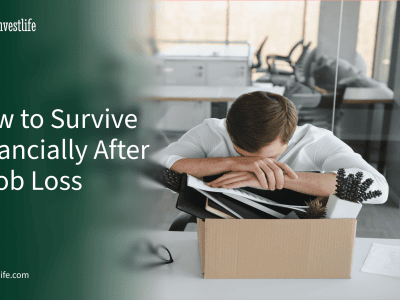
Losing a job is one of the fastest financial emergencies a household faces. Income stops. Fixed expenses don’t. The average unemployment spell in the US runs 21 to…
Building wealth isn’t primarily about earning more—it’s about the gap between what comes in and what goes out, maintained consistently over time. The median US household income is…
Most overspending isn’t about buying things people want. It’s about buying things that seemed desirable in the moment—then turned out not to be. People consistently overestimate how much…